

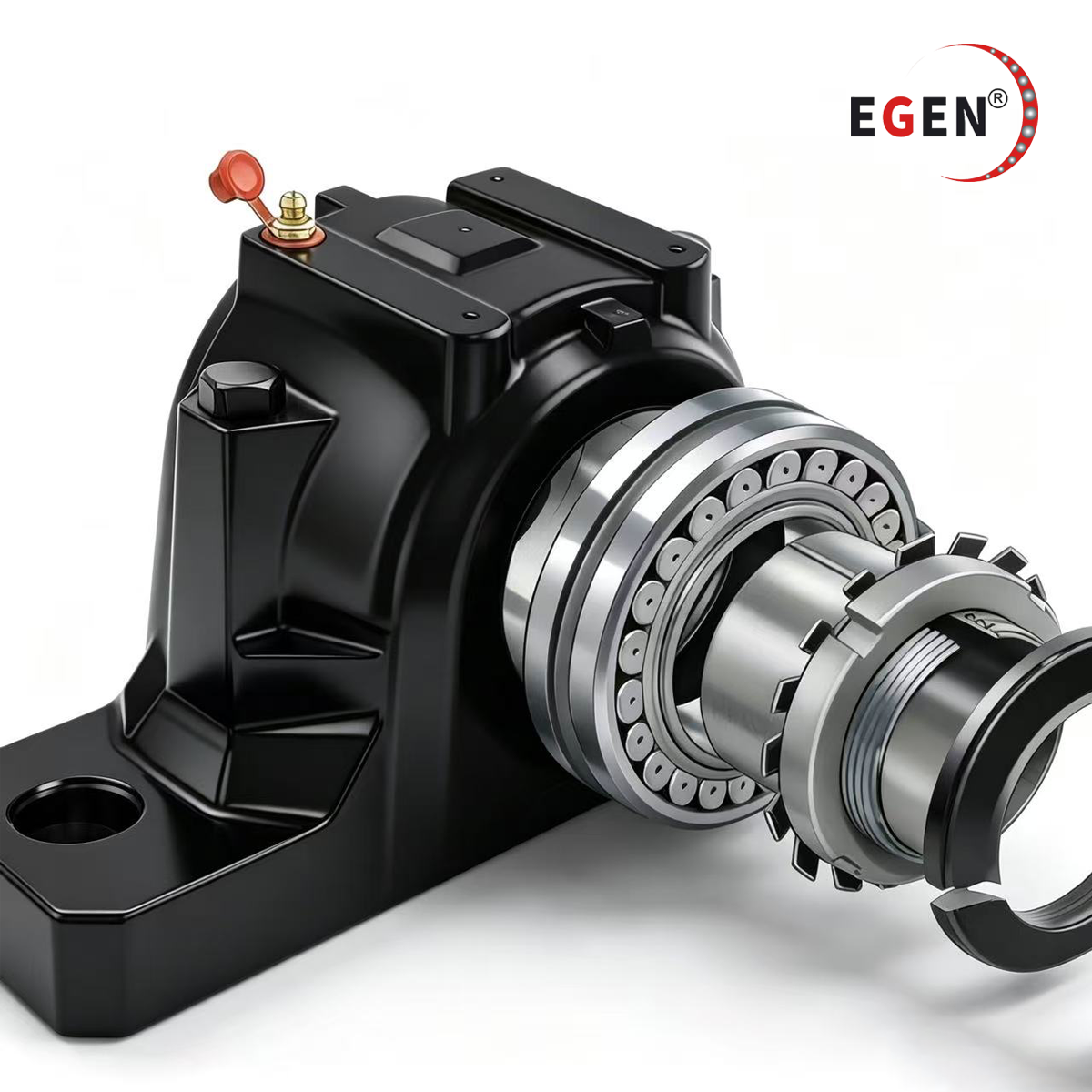
As core components of mechanical transmission systems, the assembly quality of bearings directly determines the operational precision and service life of the entire machine. According to global industrial statistics, approximately 16% of premature bearing failures are caused by improper installation. This not only leads to expensive component damage but also results in massive economic losses due to unplanned downtime. Mastering standardized bearing installation processes is the foundation for any modern industrial enterprise seeking high reliability and an optimal Return on Investment (ROI).
Preparation and Environmental Cleanliness Control
Before formal assembly begins, controlling the cleanliness of the environment is half the battle. The raceways and rolling elements of bearings are machined to extreme precision. Micro-level dust, metal chips, or moisture, once inside the bearing, will act like abrasives under high-speed rotation, rapidly destroying the lubricant film and causing pitting. Therefore, the installation site must be kept dry and clean, away from grinders or dusty environments. Before preparation, always verify that the bearing model, specifications, and clearance match the design drawings.
Furthermore, a meticulous inspection of the shaft and the housing is required. Any scratches, burrs, or rust on the mating surfaces must be thoroughly removed, as even microscopic protrusions can cause misalignment after installation. Use high-precision measuring tools to check the tolerances of the mating surfaces, ensuring they fall within the standard interference or clearance range. Do not open the vacuum packaging of the bearing until all preparations are complete. This rigorous pre-management of bearing assembly eliminates most early failures caused by environmental contamination at the source.
Scientific Selection of Cold and Hot Installation Processes
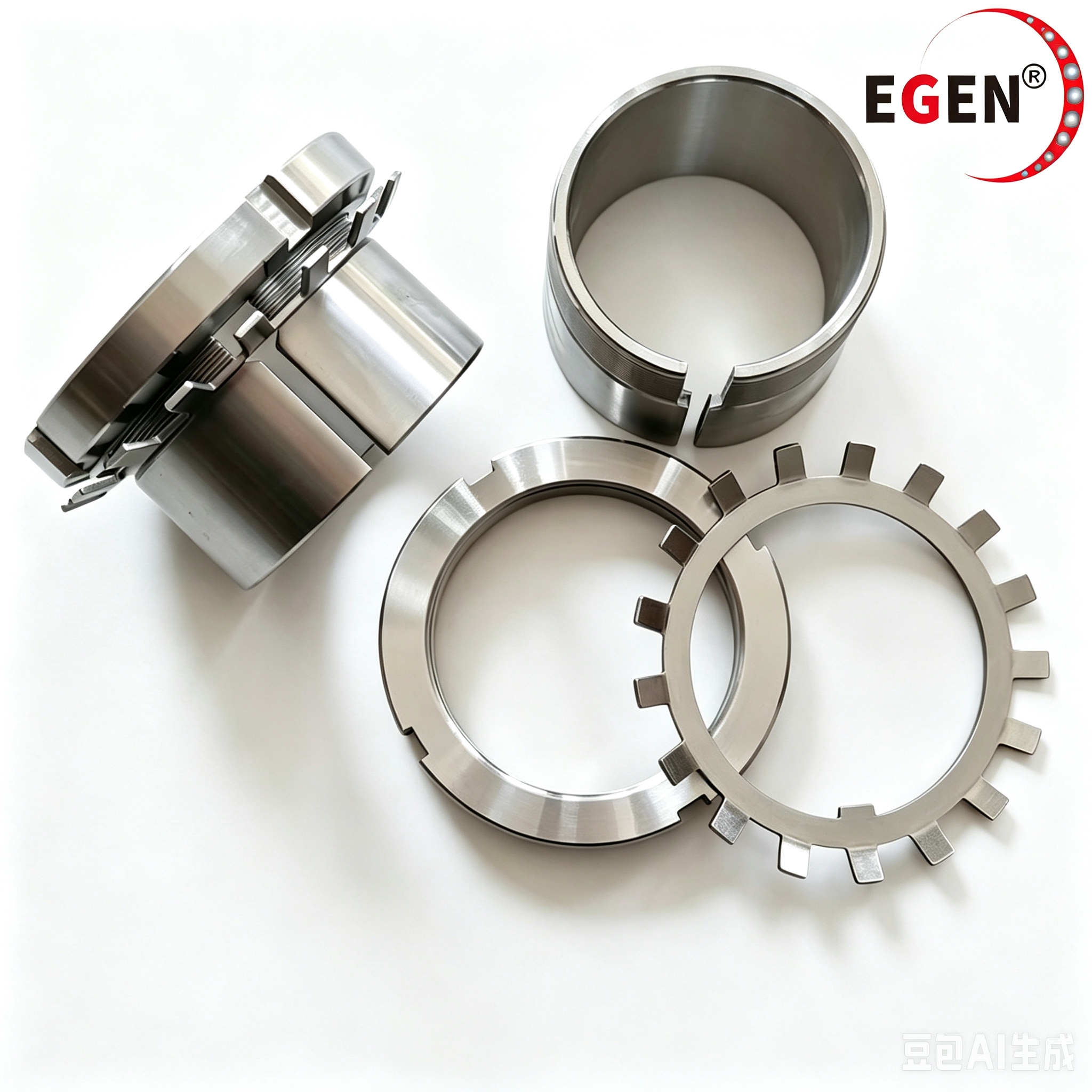
The physical installation method must be scientifically selected based on the bearing size and the amount of interference fit. For small and medium-sized bearings with low interference, the cold installation method is typically used. During this process, it is strictly forbidden to hit the bearing end-face directly with a hammer, as this causes brinelling on the raceways. Specialized mounting sleeves must be used to apply pressure evenly to the end-face of the ring with the tight fit. If the shaft rotates, the pressure should be applied to the inner ring; if the housing rotates, it should be applied to the outer ring. This ensures pressure does not pass through the rolling elements, protecting the integrity of the precision bearings.
For large bearings or those with heavy interference fits, hot installation is the superior choice. A professional induction heater is recommended, which utilizes electromagnetic induction to heat the bearing evenly, causing the inner ring to expand. The heating temperature is typically controlled between 80°C and 100°C and must never exceed 120°C, as this will temper the bearing steel, reducing its hardness and fatigue resistance. The mounting process must be swift and accurate to ensure the bearing sits tightly against the shaft shoulder as it cools. Scientific temperature control greatly reduces installation difficulty and prevents scoring, ensuring the bearing achieves its intended rotational precision.
Lubrication Optimization and Long-term Sealing Security
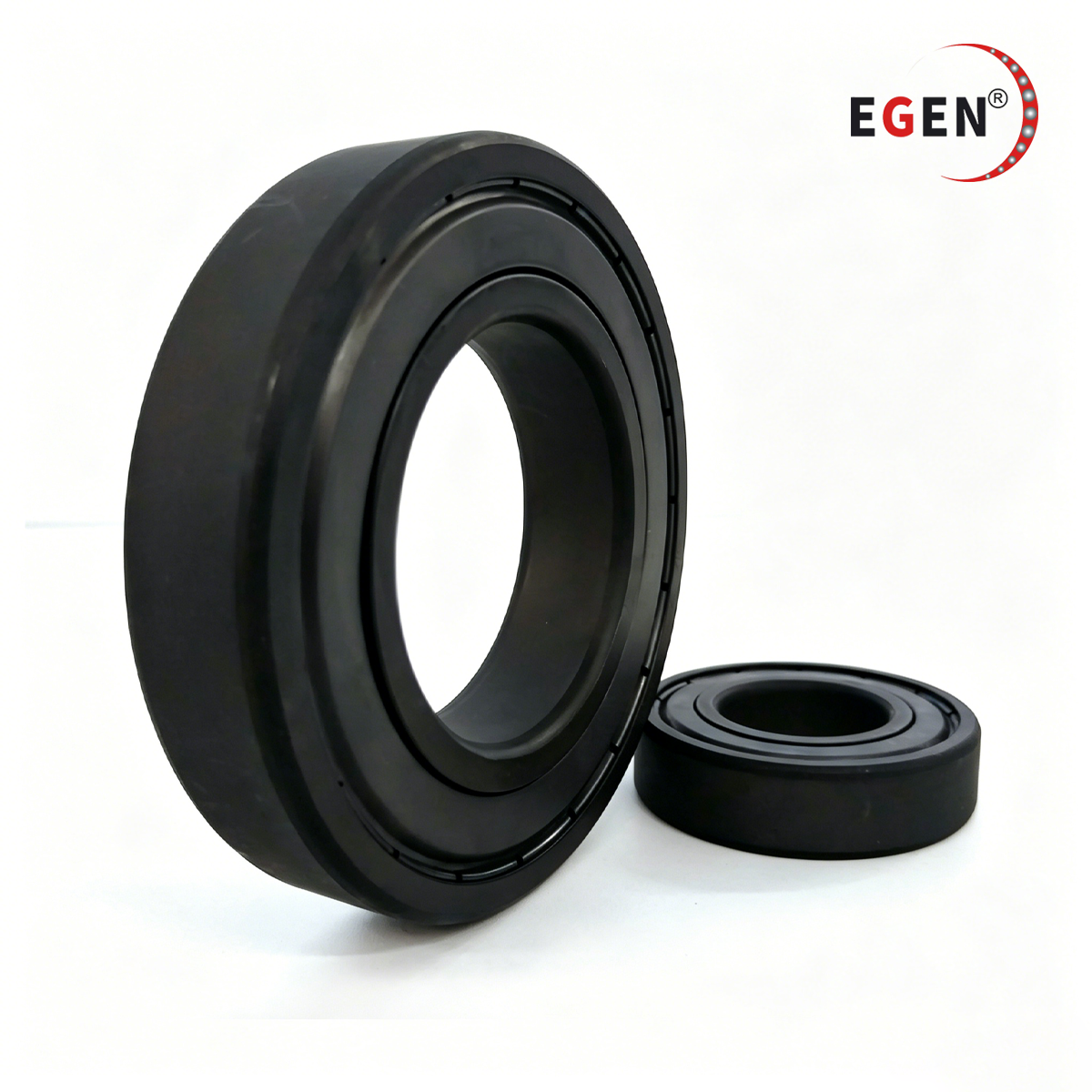
The correct lubrication strategy is the soul of operational reliability. During the assembly process, a lubricant must be selected that matches the bearing's speed, load, and operating temperature. A common misconception is that more grease is better; in reality, overfilling causes intense churning heat, leading to temperature spikes and failure. It is generally recommended that the grease fill occupies 30% to 50% of the bearing's internal space. Additionally, for bearings with seals, extra care must be taken during assembly to avoid damaging the seal lips with tools.
The condition of the seals directly affects the bearing maintenance cycle. If seal lips are rolled or damaged, moisture and dust will rapidly penetrate, leading to lubrication failure. During installation, apply a small amount of grease to the seal lip to reduce initial friction. Proper lubrication management and a tight sealing barrier effectively balance the relationship between internal temperature rise and wear, significantly extending the actual working life of the bearing in harsh environments and maximizing mechanical efficiency.
Operational Debugging and Lifecycle Monitoring
Preliminary detection after installation is the final safety valve. Before the equipment is powered on, the flexibility of rotation must be checked by manual turning. A correctly installed bearing should rotate smoothly and uniformly without any noticeable sticking. During the initial "break-in" period of the equipment, a detailed operational log should be established to continuously monitor vibration levels and temperature rise curves. A slight temperature increase is normal initially, but if temperatures continue to soar or are accompanied by abnormal high-frequency whistling, the operation must be stopped immediately for inspection.
Through standardized installation guidance and monitoring for Egen bearings, users can establish a full lifecycle management system from installation to decommissioning. This preventative maintenance approach not only reduces the risk of sudden accidents but also provides real-time data feedback for distributors and end-users. Egen Bearings is committed to providing professional and efficient technical support, ensuring that every product provides stable and reliable power for industrial motors, agricultural machinery, and power transmission systems under optimal assembly conditions.
Conclusion
Standardized installation and assembly are prerequisites for a bearing to release its superior performance. From rigorous cleanliness control to precise temperature-controlled heating and scientific grease management, every technical detail determines whether the bearing can remain stable during long-term operation. With years of manufacturing experience and professional technical support, Egen Bearings is dedicated to providing global buyers with cost-effective, high-quality, one-stop bearing solutions. By following scientific installation steps combined with regular professional maintenance, you will significantly enhance the safety and economy of your mechanical systems.
Corporate Profile
Egen (Shandong) Bearing Technology Co., Ltd., founded in 2004, is a modern manufacturing enterprise integrating R&D, production, sales, and service of high-precision bearings. The company owns three independent brands: ZIL, EGEN, and ZLZLZ.
The company currently employs 152 people, including 5 senior engineers and 9 technical engineers. Equipped with 3 EMCC automated production lines, 4 automatic assembly lines, and over 100 sets of high-precision equipment, the company has built an integrated intelligent manufacturing system covering turning, grinding, super-finishing, assembly, and packaging. It has passed ISO 9001 quality management, environmental management, and occupational health and safety management system certifications, providing a solid guarantee for product quality.
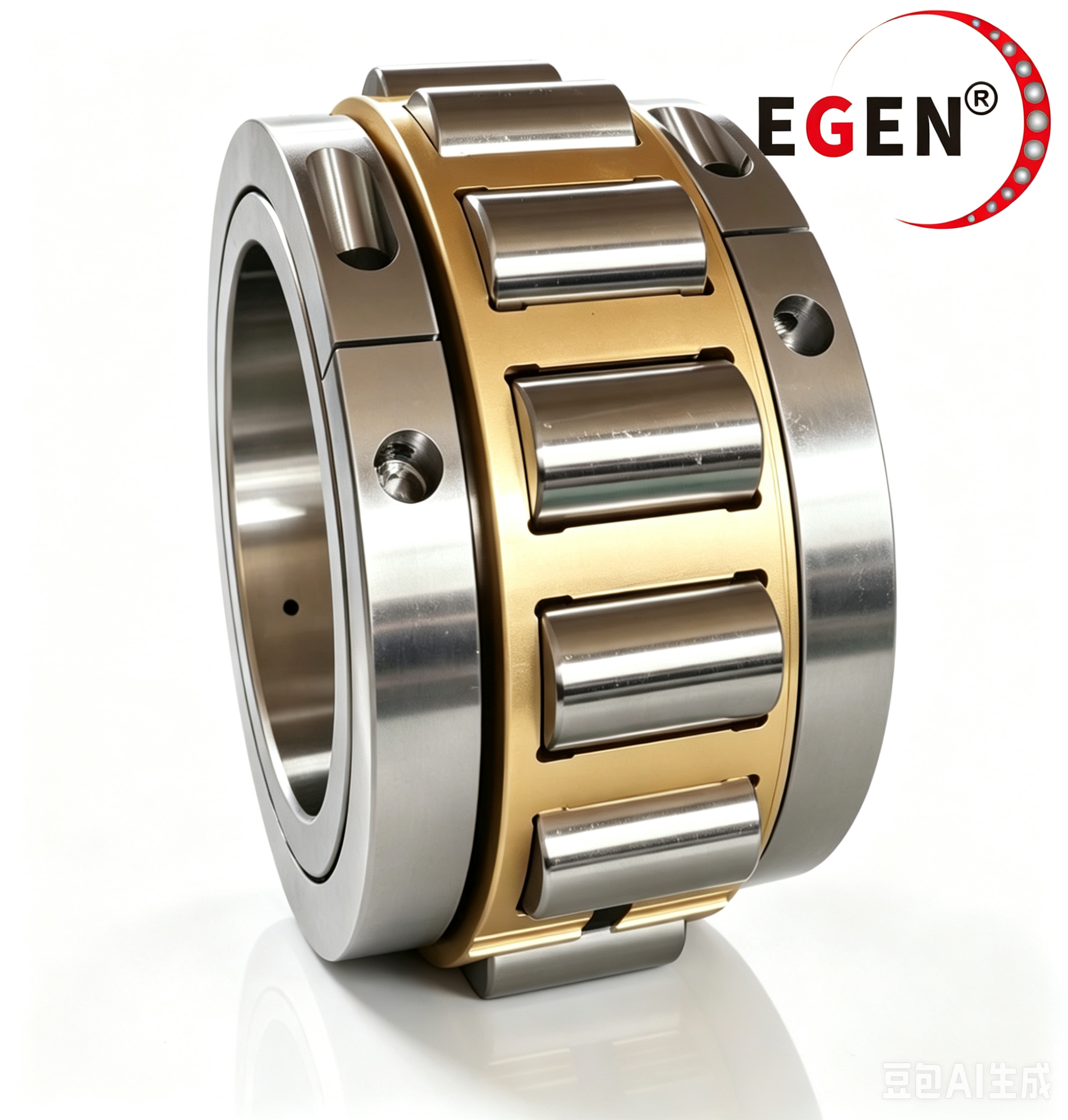
Main products include deep groove ball bearings, precision angular contact ball bearings, and electrically insulated bearings. It also provides cylindrical roller bearings, spherical roller bearings, tapered roller bearings, truck hub bearings, agricultural bearings, and various accessories, as well as customized solutions. Products are widely used in motors, fans, rail transit, power transmission, mining machinery, engineering machinery, industrial automation, and agricultural equipment, exported to the Americas, Europe, Africa, Southeast Asia, and other regions.
Official Website: significance-of-bearings-in-agricultural-and-farming-machinery/
Frequently Asked Questions
Q1: Why is it emphasized that you cannot directly hit the bearing rings during installation?
Response: Direct hitting causes microscopic deformation of the rings and can even create tiny cracks. If the pressure is transmitted through the rolling elements, it creates indentations on the hard raceway surfaces, known as brinelling. This damage causes severe vibration and noise during subsequent operation. Therefore, specialized mounting sleeves must be used to ensure pressure is evenly distributed across the mating ring.
Q2: How do you precisely control the heating temperature during hot installation to avoid damaging precision bearings?
Response: Hot installation of precision bearings should use digital induction heaters that monitor temperature changes in real-time. It is recommended to control the temperature between 80 and 100 degrees Celsius and strictly avoid exceeding 120 degrees. Overheating changes the organizational structure of the bearing steel, reducing its mechanical properties. Egen technical engineers suggest avoiding localized overheating to ensure uniform expansion.
Q3: Why is a manual turning check necessary after bearing assembly is completed?
Response: Manual turning is the most intuitive way to verify assembly quality. Through feel, one can sensitively detect excessive pre-load, internal debris contamination, or axial misalignment. If intermittent resistance or a metallic rubbing sensation is felt, it indicates a hidden trouble in the assembly process that must be eliminated before powered testing to prevent damage to the precision bearings.
Q4: What specific impacts does the grease fill quantity have on bearing maintenance?
Response: Excessive grease causes the bearing to generate massive internal resistance at high speeds, leading to severe churning heat and oxidized grease. Insufficient filling leads to lubricant film rupture and dry friction. Scientific grease management is core to bearing maintenance; the fill should generally be 30% to 50% of the internal space to balance lubrication, heat dissipation, and dust protection.
Q5: How much does environmental cleanliness actually affect the lifespan of precision bearings?
Response: The running tracks of precision bearings are measured in micrometers. Even dust invisible to the naked eye can cause pitting on the rolling contact surfaces. These tiny defects rapidly expand into large-area fatigue spalling under alternating stress. Therefore, establishing a clean zone at the installation site and strictly enforcing tool cleaning is a critical prerequisite for ensuring precision bearings reach their design life.
Q6: What professional installation technical support can Egen Bearings provide to customers?
Response: We have a technical team led by senior engineers who can provide customized installation process specifications and on-site selection guidance. Whether for complex variable frequency motors or heavy-duty agricultural systems, Egen Bearings provides one-stop technical support from tool selection to operator training, helping customers reduce installation losses and build efficient maintenance systems.
Q7: How should the assembly plan be adjusted if the installed clearance is found to be too small?
Response: Small installed clearance usually stems from excessive interference fit between the shaft and the housing. In this case, do not force the installation; instead, re-measure and adjust the shaft diameter or housing bore tolerances. In bearing assembly, reasonable residual clearance is the prerequisite for thermal balance. As a professional manufacturer, we advise customers to strictly refer to the tolerance tables in the technical manual.
More About EGEN
We are with 30 years of production experience and 20 years of export experience, Professional technical team and after-sales service.
EGEN is Your Best Choice!!!
© 2026 EGEN Bearing Technology Co., LTD. All Rights Reserved. | Site powered by matchPages | Privacy Policy | Sitemap