In the landscape of the global industrial supply chain, China has become the central hub for high-precision and intelligent bearing production. However, faced with thousands of manufacturers, international buyers often struggle with selection. A wrong supplier decision can lead to more than just returns—it can result in catastrophic system failures. As an experienced Chinese bearing supplier, Egen Bearings summarizes this 10-point checklist to help buyers build a multi-dimensional evaluation model.
1. Assess Automation Levels and Smart Manufacturing Depth
In the bearing industry, hardware directly determines the quality ceiling. Buyers should assess whether a supplier is labor-intensive or has transitioned to automation. High-precision bearings require micrometer-level consistency, which is nearly impossible with manual operation. A competitive manufacturer must be equipped with automated production lines. Having EMCC automated lines means the enterprise has achieved digital control across turning, grinding, and super-finishing. Automated assembly lines use precision sensors to detect every gap, ensuring that vibration and noise performance meet the highest standards. This system removes human uncertainty and provides a stable quality foundation for large-scale bearing procurement.
2. Verify Comprehensive Quality and Compliance Certifications
Certificates should reflect the operational logic of a company. While ISO 9001 is the baseline, excellent suppliers go further. In international trade, Environmental Management (ISO 14001) and Occupational Health and Safety certifications are increasingly becoming mandatory for cross-border procurement. The core of these certifications lies in "process control." Buyers should check if the factory has a complete quality traceability system—whether every finished bearing can be traced back to its raw material batch, heat treatment parameters, and assembly time. This systematic management capability is more persuasive than a single certificate for long-term supplier evaluation.
3. Evaluate Technical R&D and Engineering Talent Reserves
In complex industrial scenarios, standard bearings often fail to meet extreme conditions. A supplier's technical strength determines whether they can upgrade from a "product provider" to a "technical solution provider." A strong team should include senior engineers who understand both bearing design and downstream application needs. When buyers face challenges such as high loads, extreme temperatures, or high speeds, the engineering team should provide customized solutions through simulation software. This depth in bearing manufacturing ensures that design risks are mitigated at the selection stage, saving buyers massive maintenance costs and R&D time.
4. Inspect the Completeness of the Testing and Laboratory Systems
High-quality bearings are "tested" into existence. Buyers should investigate the factory’s central laboratory. A complete testing system must cover everything from raw material chemical analysis to finished product performance testing. Key equipment should include high-precision roundness testers, surface roughness meters, vibration testers, and fatigue life testing machines. Vibration (V-grade) and noise (Z-grade) testing are critical for high-speed applications. Choosing a partner that publicly shares testing data and maintains strict internal control standards is the most effective strategy for preventing early failures.
5. The Value of Independent Brands and Long-term Commitment
A brand is the concentrated expression of credibility. Companies owning independent brands like ZIL, EGEN, and ZLZLZ often value their reputation more than those solely doing white-label processing. Building a brand requires long-term investment, meaning the company pursues global prestige over short-term orders. Brand factories usually have better anti-counterfeiting systems and standardized packaging. For global distributors, partnering with an independent brand ensures stable market policy support and quality consistency, reducing the risks associated with random process changes.
6. Inventory Capacity and Global Logistic Response Speed
In an uncertain global trade environment, stock availability has become a hard indicator of competitiveness. A high-quality partner should maintain a scientific inventory warning mechanism, keeping ample stock for common models like deep groove ball bearings and precision angular contact ball bearings. This "heavy asset" model demonstrates financial strength and commitment to the buyer. Ample inventory means that even during sudden surges in demand or global supply chain disruptions, distributors can obtain stable supply. Fast delivery response reduces capital tie-up periods for buyers and showcases the supplier's capability in the global market.
7. Consider Industry Experience and Reputation Cycles
The bearing industry requires time for technical accumulation. A company established in 2004 that has deep-dived for 20 years has accumulated more than just process data—it has gained insight into industry cycles. A long history means the company has survived multiple raw material fluctuations and global economic crises. Stable historical records prove financial health and supply chain reliability. Buyers can gauge reputation by surveying customer feedback in the Americas, Europe, and Southeast Asia. This time-tested resilience ensures that buyers will still find the supplier available for after-sales support years later.
8. Non-standard Customization and Full-category Supply Capability
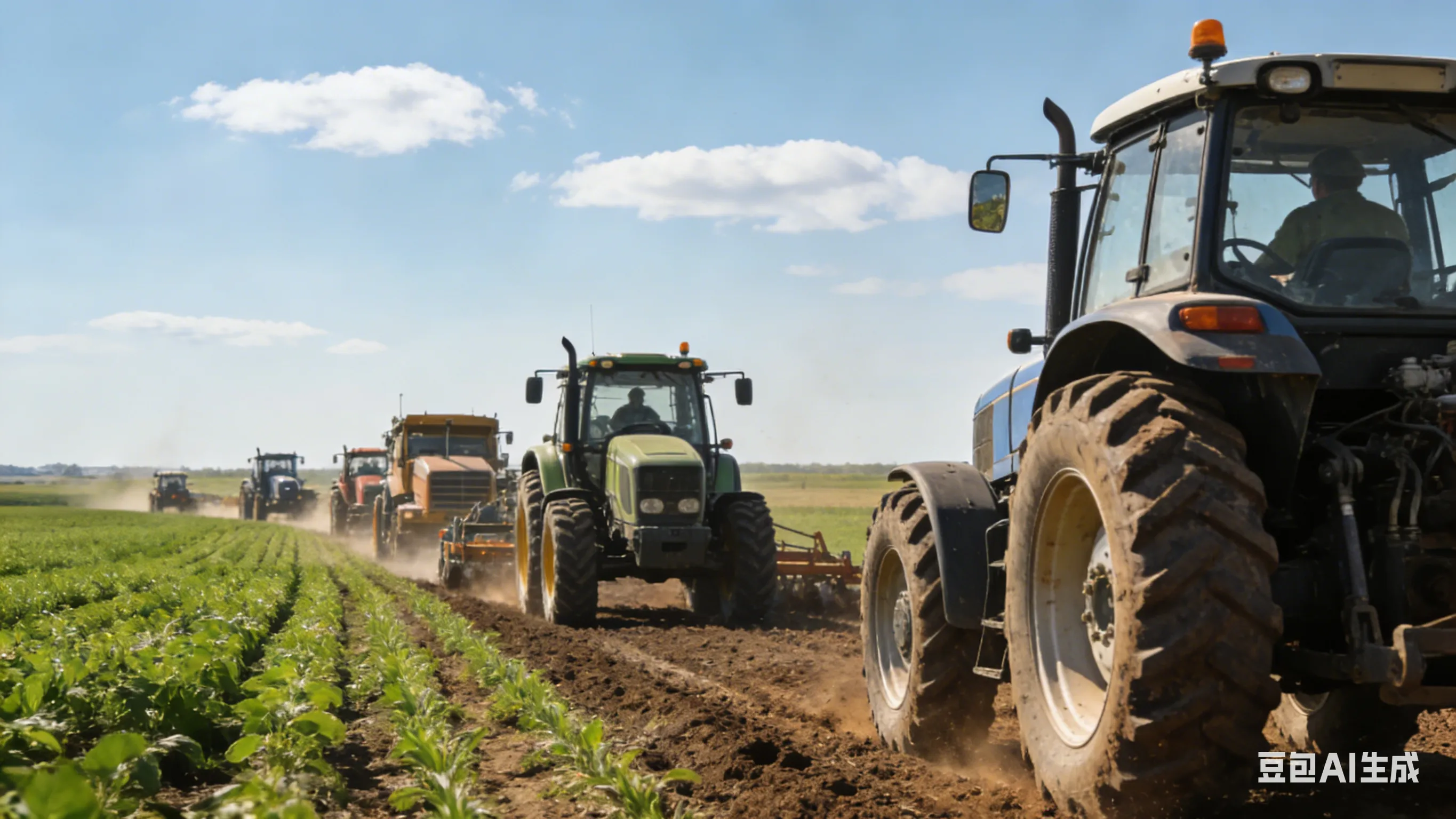
Modern industry requires increasingly fragmented and specialized bearings. Excellent suppliers should not only look at standard catalogs but also possess strong non-standard customization capabilities. This includes the application of special materials (ceramic balls, stainless steel, insulated coatings) and personalized improvements to seal structures. Simultaneously, a one-stop full-category supply capability significantly reduces management costs for buyers. A factory that provides everything from truck hub bearings to agricultural bearings demonstrates professional versatility and deep resource integration.
9. International Service Vision and Trade Efficiency
Efficient communication is the prerequisite for successful trade. An internationalized supplier should have a business team fluent in multiple languages and familiar with international technical specifications. This is reflected in precise quotations and the ability to handle complex customs documents and certificates of origin. When technical disputes arise, can the supplier provide professional and timely responses? Professional business and technical support systems ensure that procurement instructions are accurately executed, reducing the hidden costs of communication deviation.
10. Optimal Balance of Cost-effectiveness and Lifecycle Value
Cost-effectiveness does not mean low price. In the bearing industry, pursuing the lowest price usually means sacrificing heat treatment depth, material purity, or precision. An excellent partner stays competitive through automation and scale while maintaining quality. Buyers should calculate the "Total Cost of Ownership (TCO)," which includes the purchase price plus maintenance costs and downtime losses. Egen bearings focuses on maximizing the full lifecycle value. This comprehensive service system ensures that while customers receive high-quality products, they also enjoy professional technical support.
Conclusion
Evaluating an ideal partner requires a comprehensive assessment of manufacturing precision, management depth, and service quality. In complex global competition, choosing a Chinese bearing supplier with a 20-year brand history, an automated production system, and a global service vision will provide continuous momentum for your company's steady development.
Corporate Profile
Egen (Shandong) Bearing Technology Co., Ltd., founded in 2004, is a modern manufacturing enterprise integrating R&D, production, sales, and service of high-precision bearings. The company owns three independent brands: ZIL, EGEN, and ZLZLZ.
The company currently employs 152 people, including 5 senior engineers and 9 technical engineers. Equipped with 3 EMCC automated production lines, 4 automatic assembly lines, and over 100 sets of high-precision equipment, the company has built an integrated intelligent manufacturing system covering turning, grinding, super-finishing, assembly, and packaging. It has passed ISO9001 quality management, environmental management, and occupational health and safety management system certifications, providing a solid guarantee for product quality.
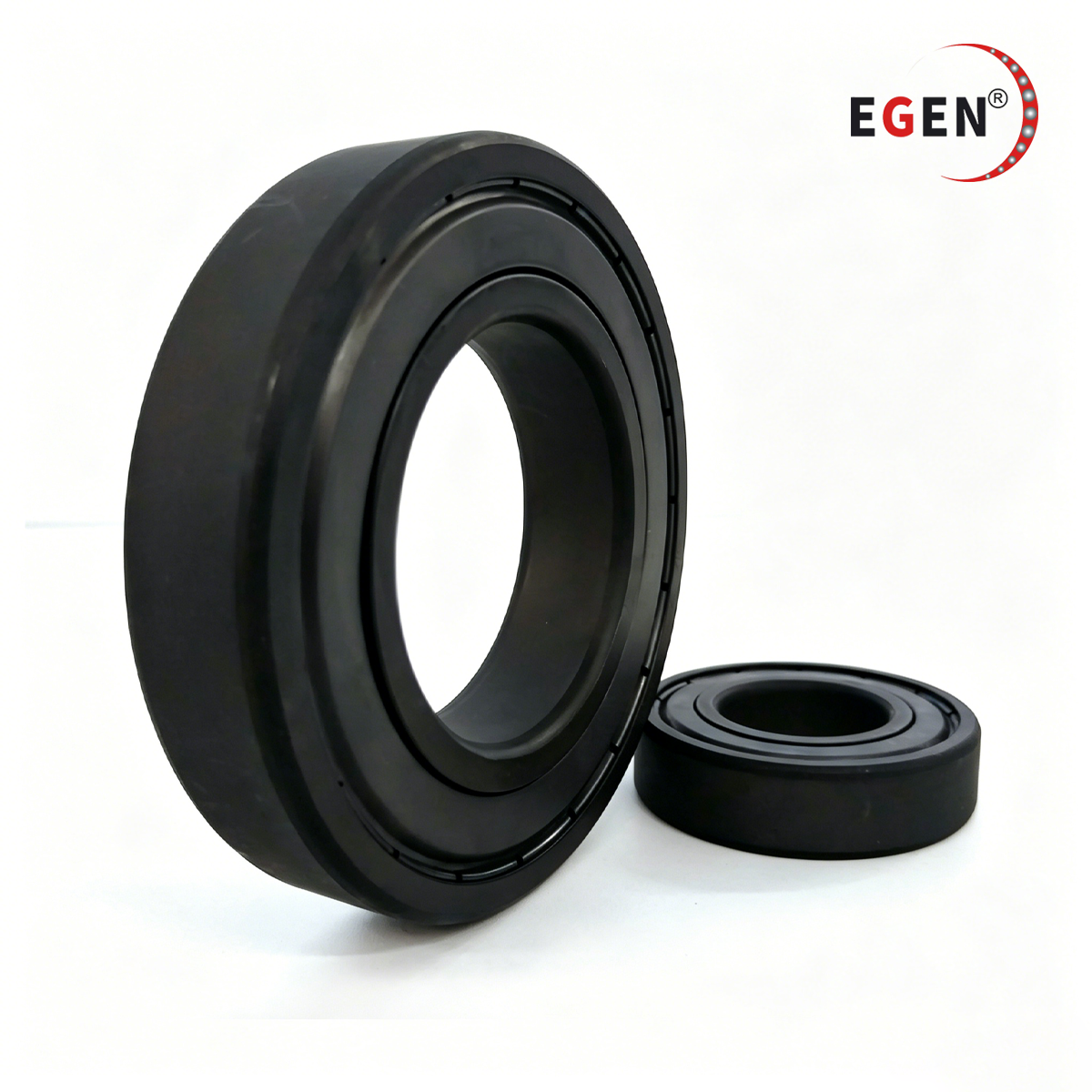
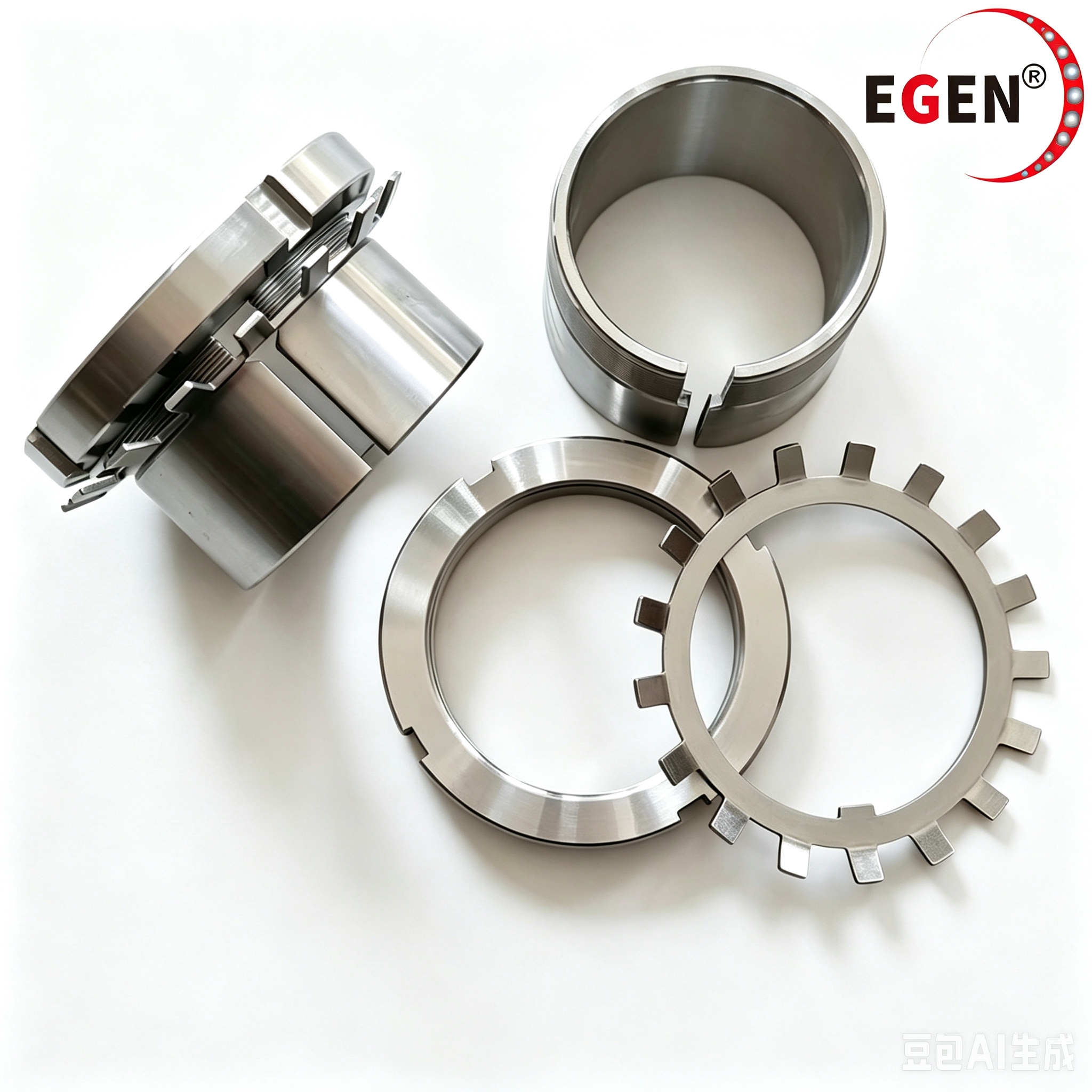
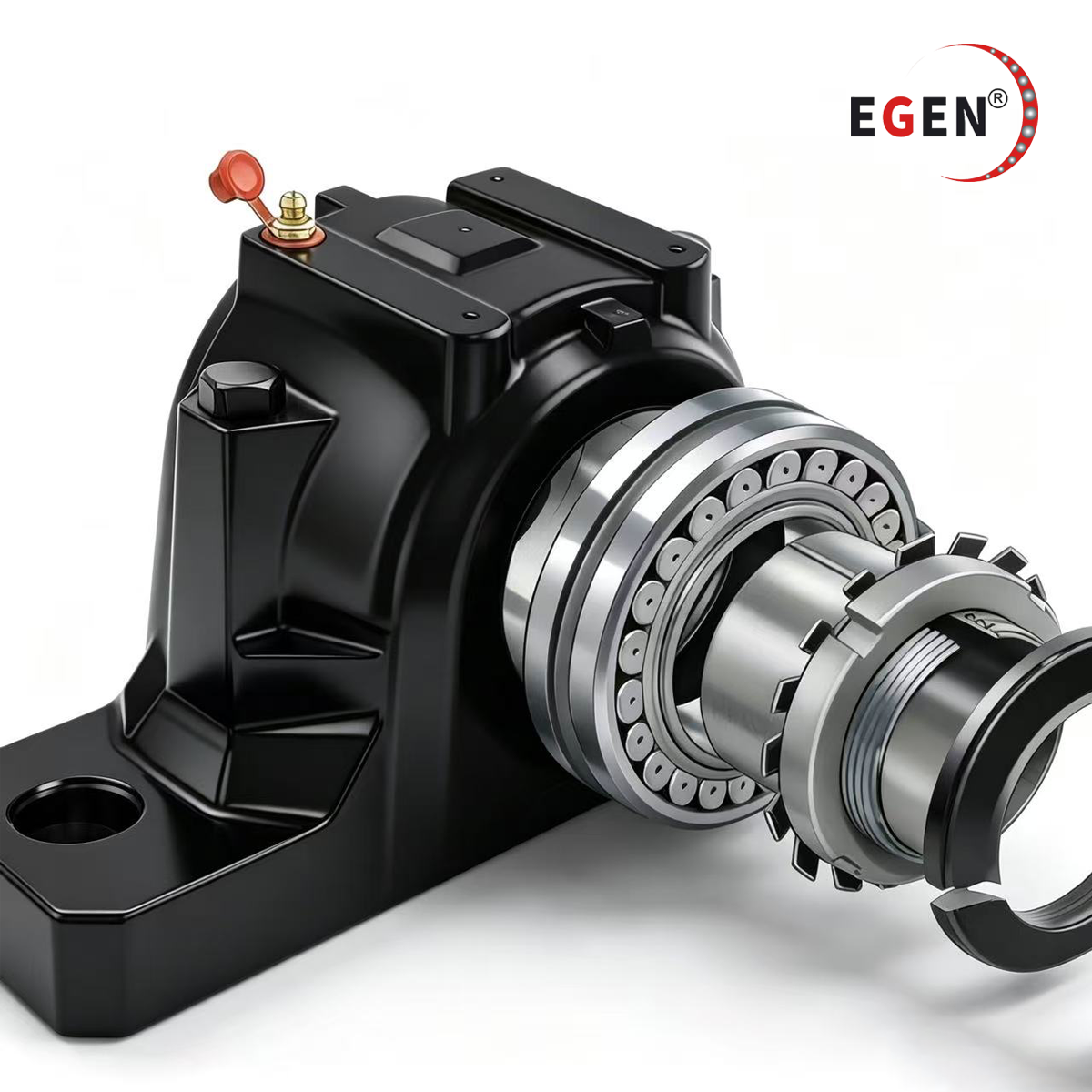
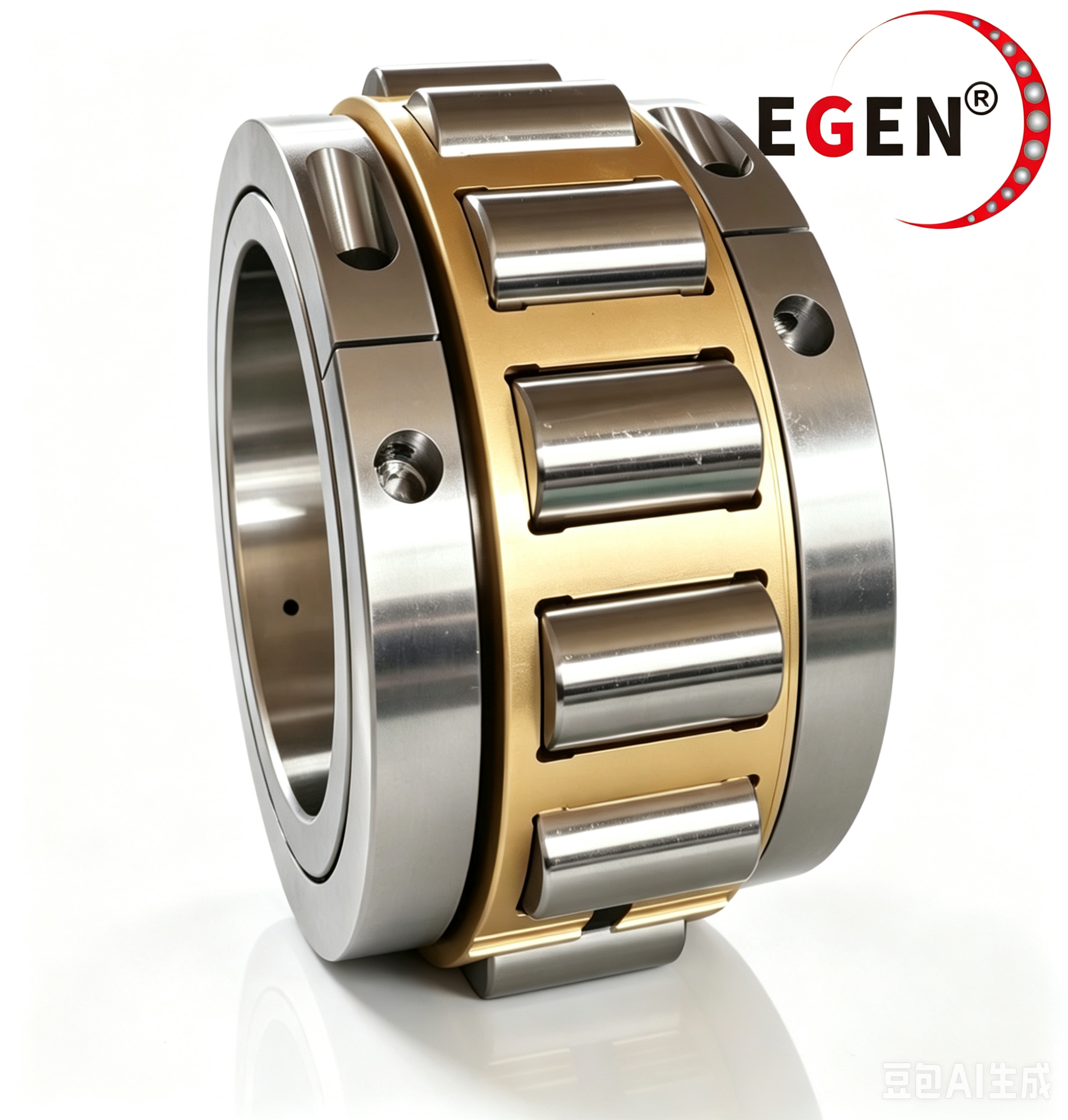
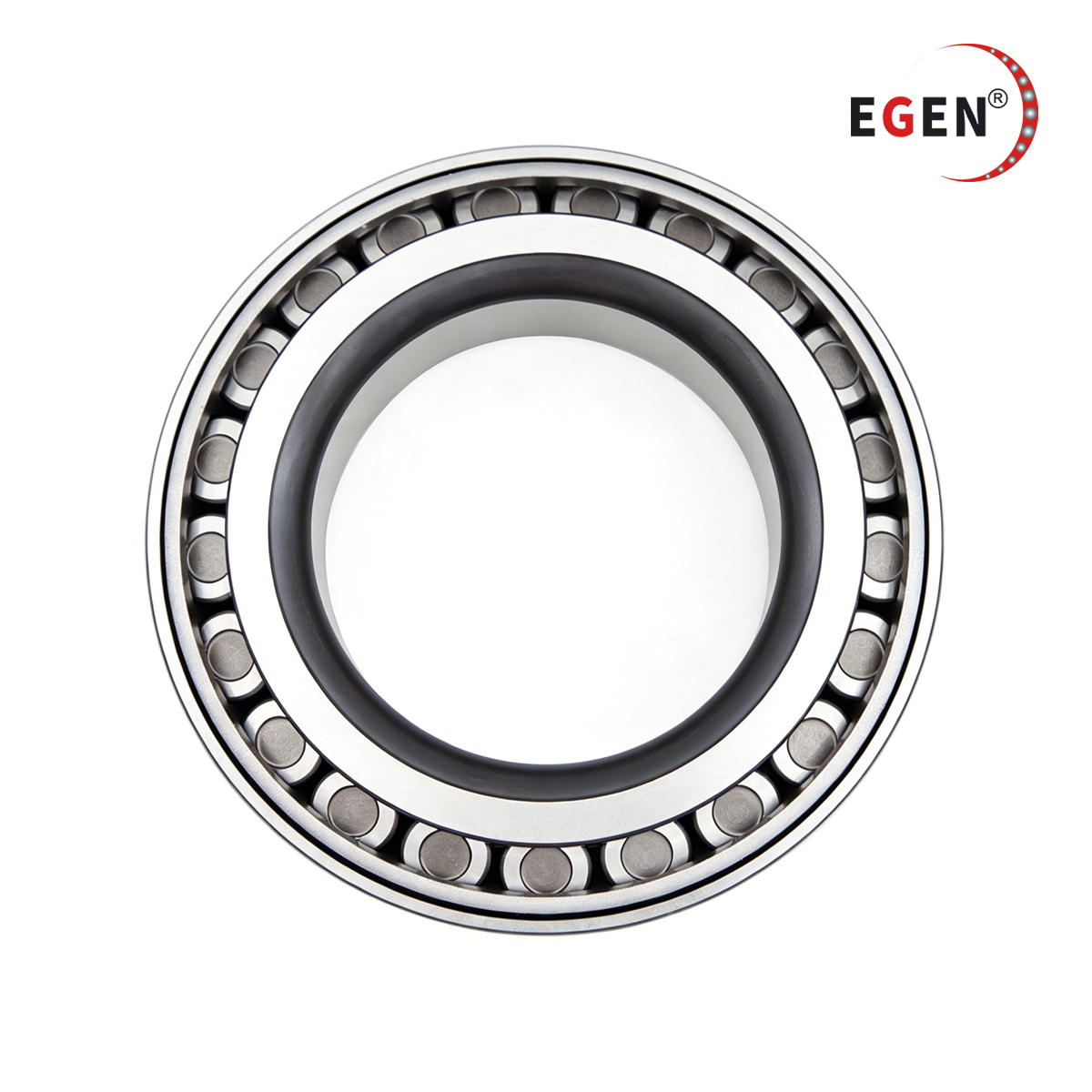
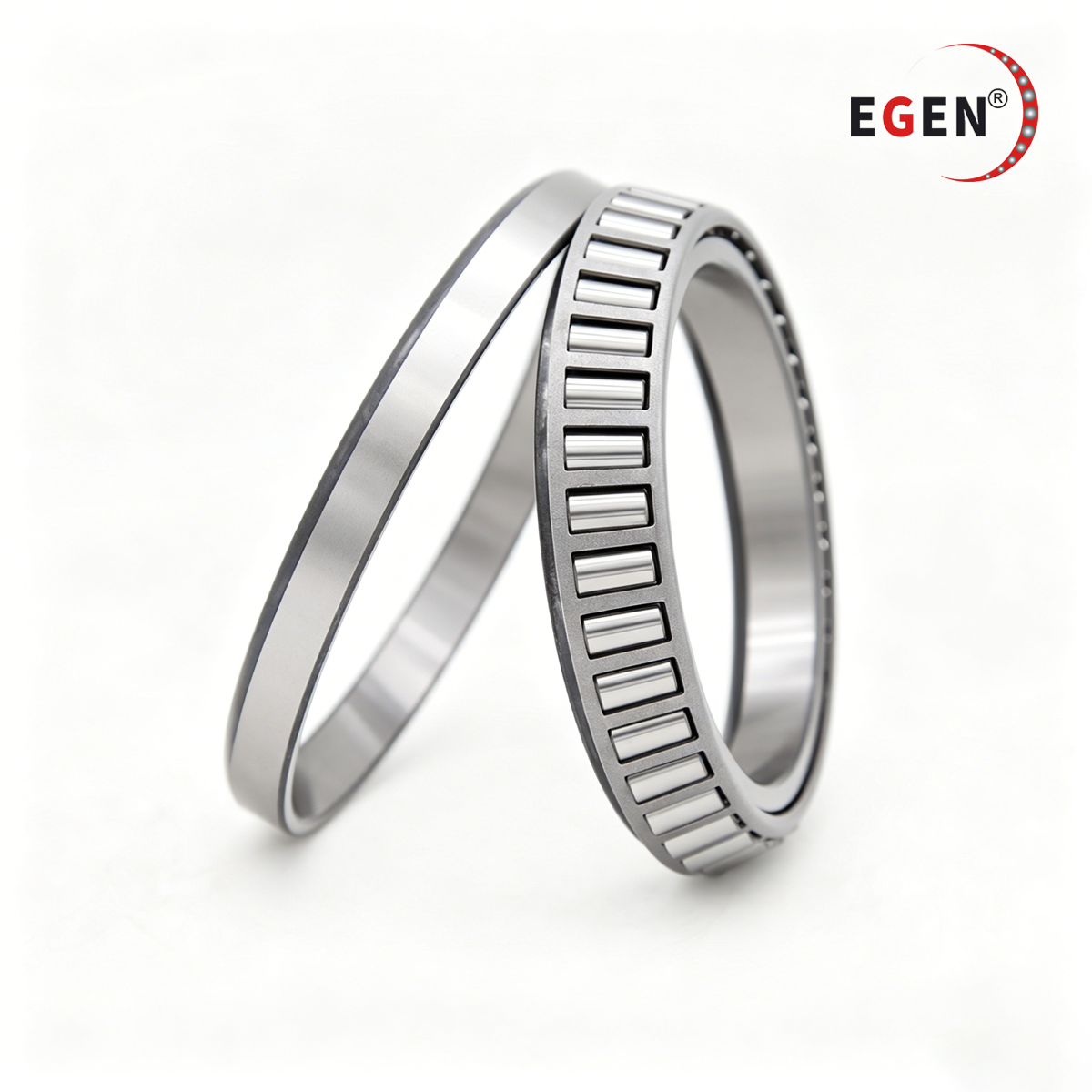
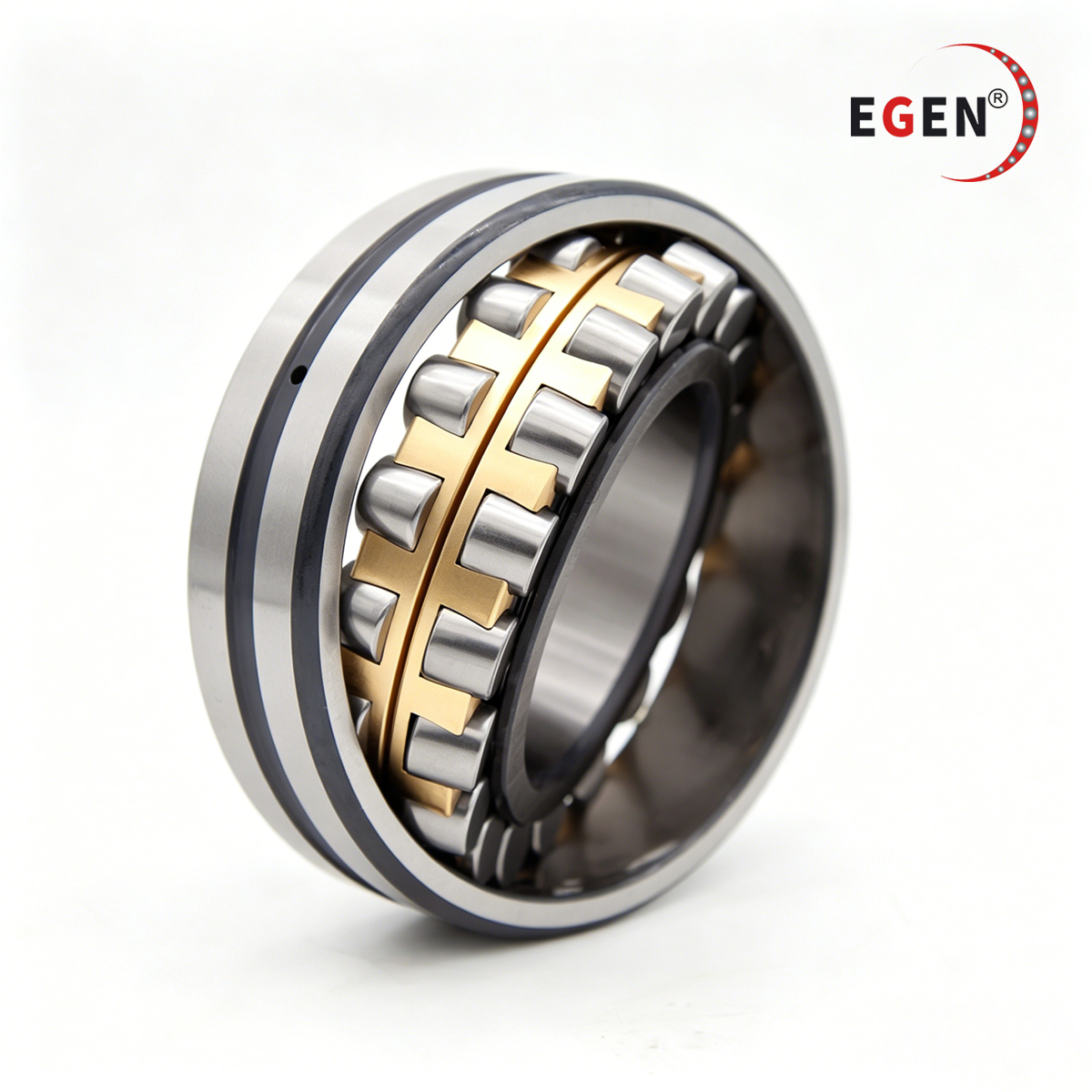
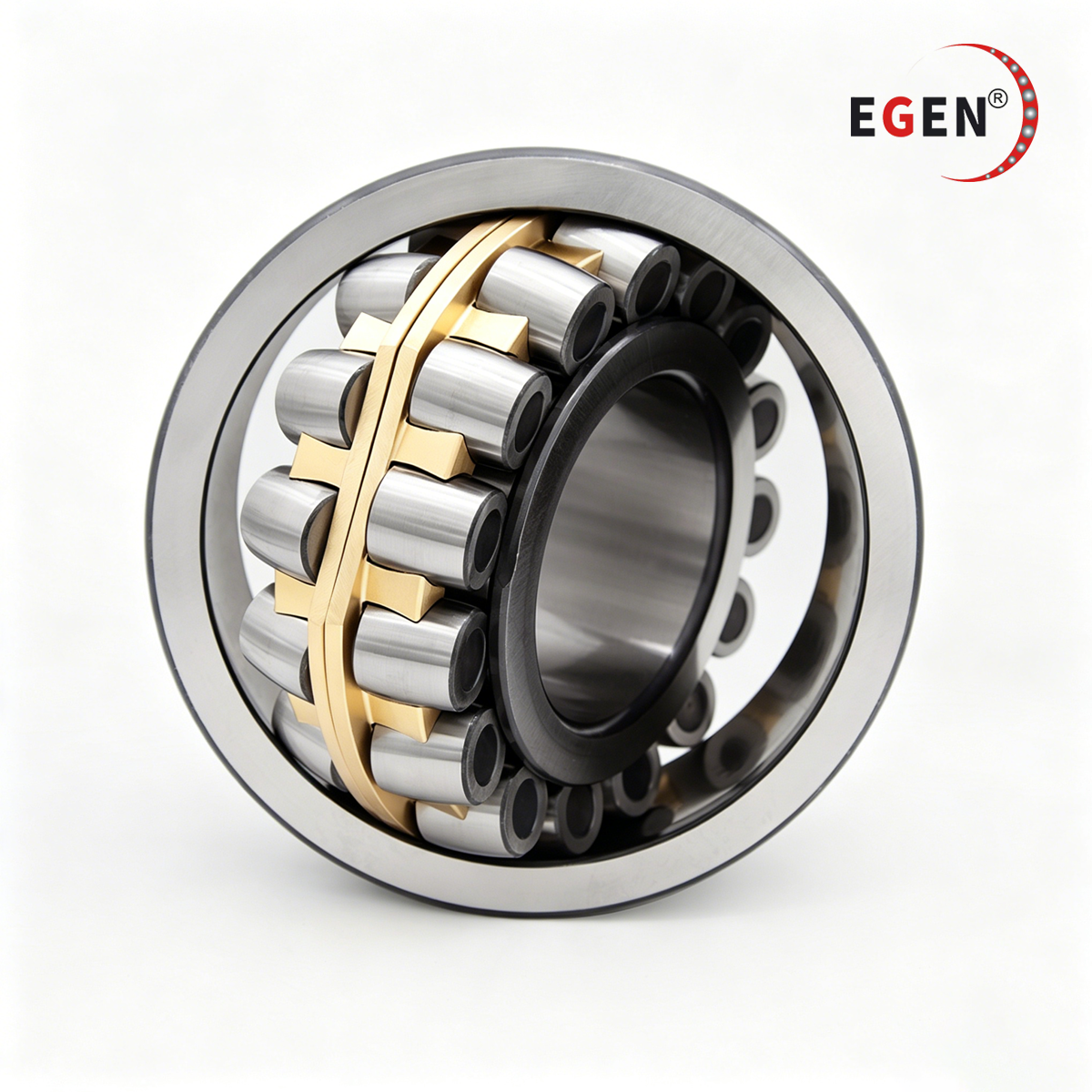
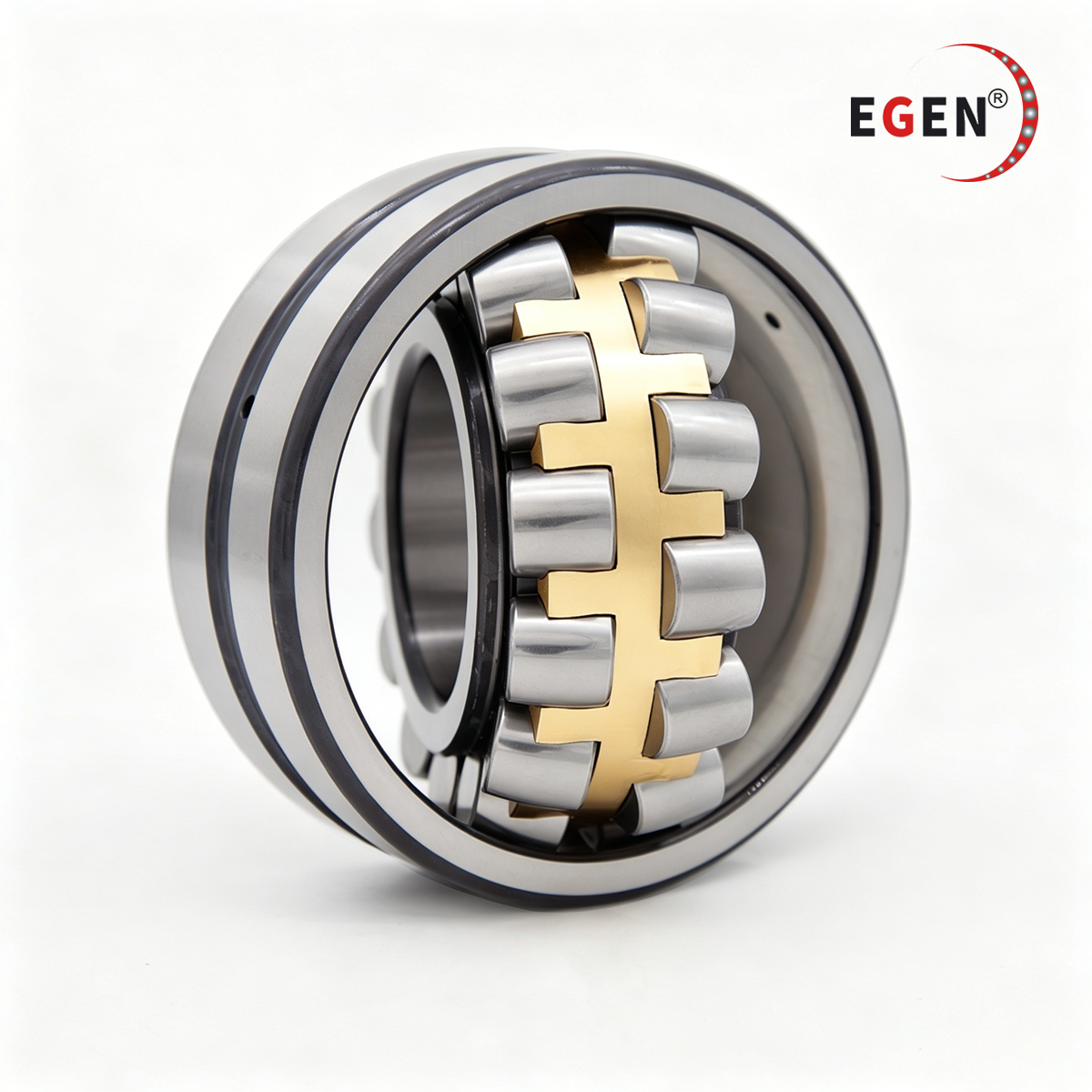
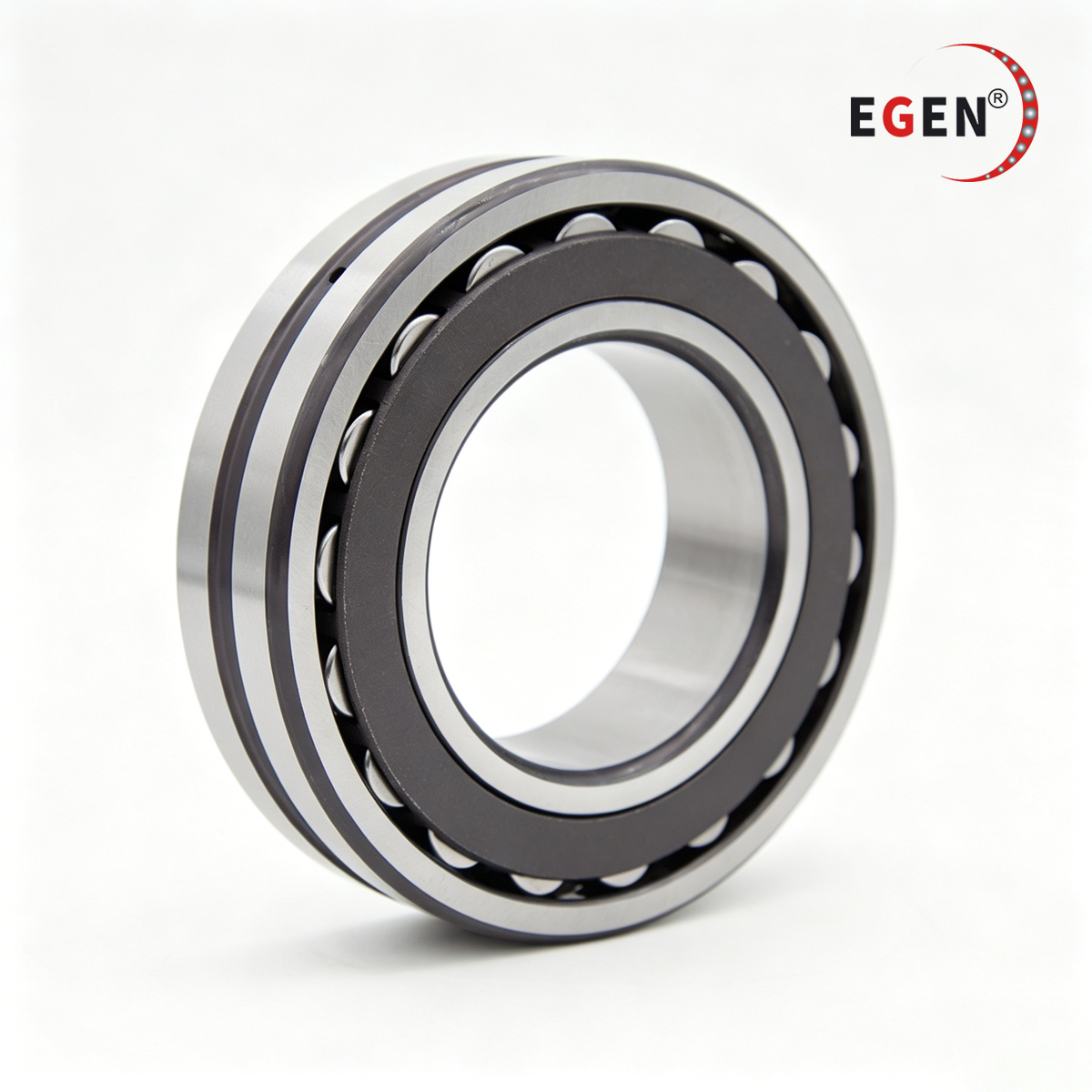
Main products include deep groove ball bearings, precision angular contact ball bearings, and electrically insulated bearings. It also provides cylindrical roller bearings, spherical roller bearings, tapered roller bearings, truck hub bearings, agricultural bearings, and various accessories, as well as customized solutions. Products are widely used in motors, fans, rail transit, power transmission, mining machinery, engineering machinery, industrial automation, and agricultural equipment, exported to the Americas, Europe, Africa, Southeast Asia, and other regions.
Official Website: https://www.nbcbearings.com/significance-of-bearings-in-agricultural-and-farming-machinery/
FAQ
Q1: What is the core focus during a factory audit of a Chinese bearing supplier?
Response: The core focus is verifying the real production capacity and quality consistency. You should check the operation of automated production lines and confirm if the factory has independent production capabilities rather than outsourcing. Also, inspect whether precision measuring instruments in the lab are calibrated and if raw material batch management is standardized. These details reflect the supplier rigor and true scale in bearing manufacturing.
Q2: Besides ISO 9001, which certificates help when exporting bearings to European and American markets?
Response: Environmental management and Occupational Health and Safety certifications are increasingly valued by international buyers. Additionally, industry-specific access certifications for sectors like railway or automotive are important. A Chinese bearing supplier with multiple certifications is usually more mature in compliance management, significantly reducing legal risks in international trade for procurement officers.
Q3: How do you determine if a supplier has the ability to provide technical solutions?
Response: Observe the scale of their engineering team and the breadth of their R&D involvement. An excellent partner should provide detailed technical data sheets, CAD drawings, and life calculation reports. During the inquiry stage, test their response speed by presenting complex application conditions. Egen bearings demonstrates its value as an expert-level consultant through professional technical support and customized bearing solutions.
Q4: Why should buyers prioritize manufacturers with independent brands?
Response: An independent brand is the lifeline for long-term survival. Manufacturers with brand assets have higher self-discipline in quality control and after-sales service. Compared to no-name OEM factories, brand manufacturers offer more stable pricing and a longer-term market commitment. This brand reputation translates into lower communication barriers and higher cooperation stability during supplier evaluation.
Q5: How does inventory level affect the operational efficiency of global bearing distributors?
Response: For distributors, ample inventory means being able to meet the urgent needs of end customers at any time, reducing customer loss. High stock levels reflect a supplier strong financial power and deep market involvement. As a professional Chinese bearing supplier, maintaining sufficient inventory of common models is key to ensuring the global supply chain operates efficiently during fluctuations.
Q6: How can you ensure stable bearing quality in the face of fierce low-price competition?
Response: The key is to adhere to value evaluation rather than price wars. Bearing prices are constrained by raw material steel and processing costs. Buyers should look for manufacturers that optimize costs by improving efficiency through smart manufacturing and automation. Egen bearings achieves scale benefits through EMCC automated lines, ensuring that while cost-effective, every bearing meets strict industrial standards.
Q7: What does a supplier comprehensive full-service system include?
Response: A complete system covers precise selection before sale, progress tracking during sale, and installation guidance plus failure analysis after sale. A trustworthy partner provides technical care throughout the product lifecycle. If a failure occurs, the supplier should provide a professional response and corrective actions quickly. This deep service model is the foundation of a long-term relationship.
More About EGEN
We are with 30 years of production experience and 20 years of export experience, Professional technical team and after-sales service.
EGEN is Your Best Choice!!!
© 2026 EGEN Bearing Technology Co., LTD. All Rights Reserved. | Site powered by matchPages | Privacy Policy | Sitemap